
Dog Bad Breath: What It Really Means (And When to Worry)
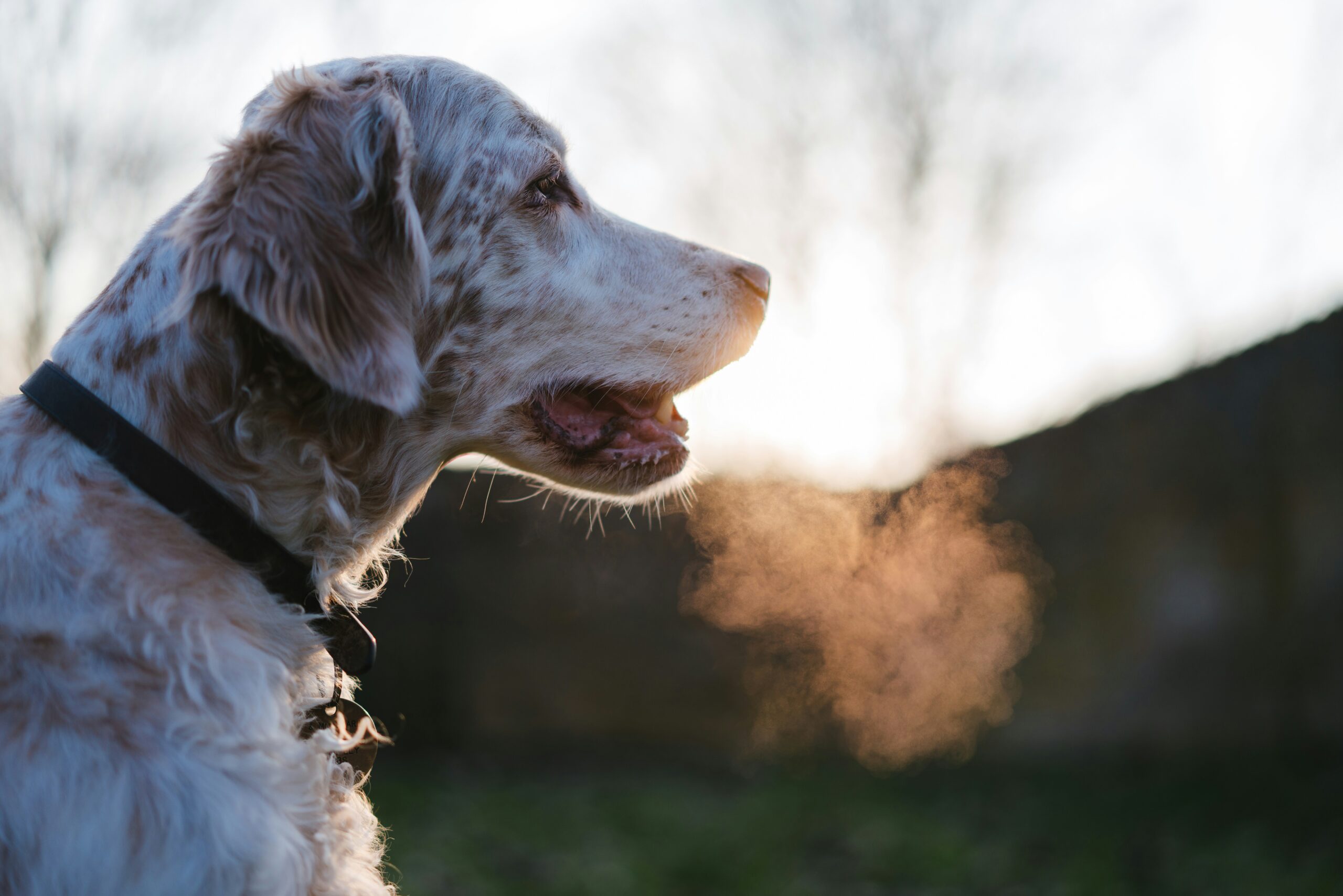
Bad breath in dogs – clinically known as halitosis – is often dismissed as normal. But persistent changes in smell can be one of the earliest signs that something isn’t quite right. The mouth is closely linked to the digestive and metabolic systems. When breath changes, it can reflect shifts in oral health, gut balance, or even underlying medical conditions.
COMMON CAUSES OF BAD BREATH IN DOGS
LINGERING OR MILD ODOUR
Usually linked to plaque build-up and early gum inflammation. Oral bacteria produce volatile sulphur compounds that cause that characteristic smell. However, mild digestive imbalance can also contribute — particularly when food isn’t fully broken down and absorbed.
STRONG OR SOUR-SMELLING BREATH
Often associated with poor digestibility or gut imbalance, especially if accompanied by loose stools, bloating, or changes in energy.
When nutrients aren’t efficiently absorbed in the small intestine, more undigested material reaches the colon. This increases bacterial fermentation and by-product production – which can influence breath odour.
This is where highly digestible dog food becomes important.
Herbie Wilde’s formulation has demonstrated ~95% protein digestibility in independent in-vitro analysis. Higher digestibility means:
- More nutrients absorbed
- Less excess fermentation
- Improved stool quality
- Reduced digestive strain
Nutrition that is properly absorbed supports gut balance — and often fresher breath as a result.
SWEET OR FRUITY BREATH
May indicate metabolic issues such as blood sugar dysregulation. Always consult your vet.
AMMONIA-LIKE SMELL
A sharp, chemical odour can be linked to kidney-related concerns and should be investigated promptly.
WHY GUT HEALTH MATTERS FOR BREATH
The gut microbiome plays a central role in immune regulation, inflammation, and nutrient metabolism. Poor-quality or low-digestibility diets can increase inflammatory load and disrupt microbial balance — affecting not just digestion, but systemic health.
Breath is often an early outward signal of internal imbalance.
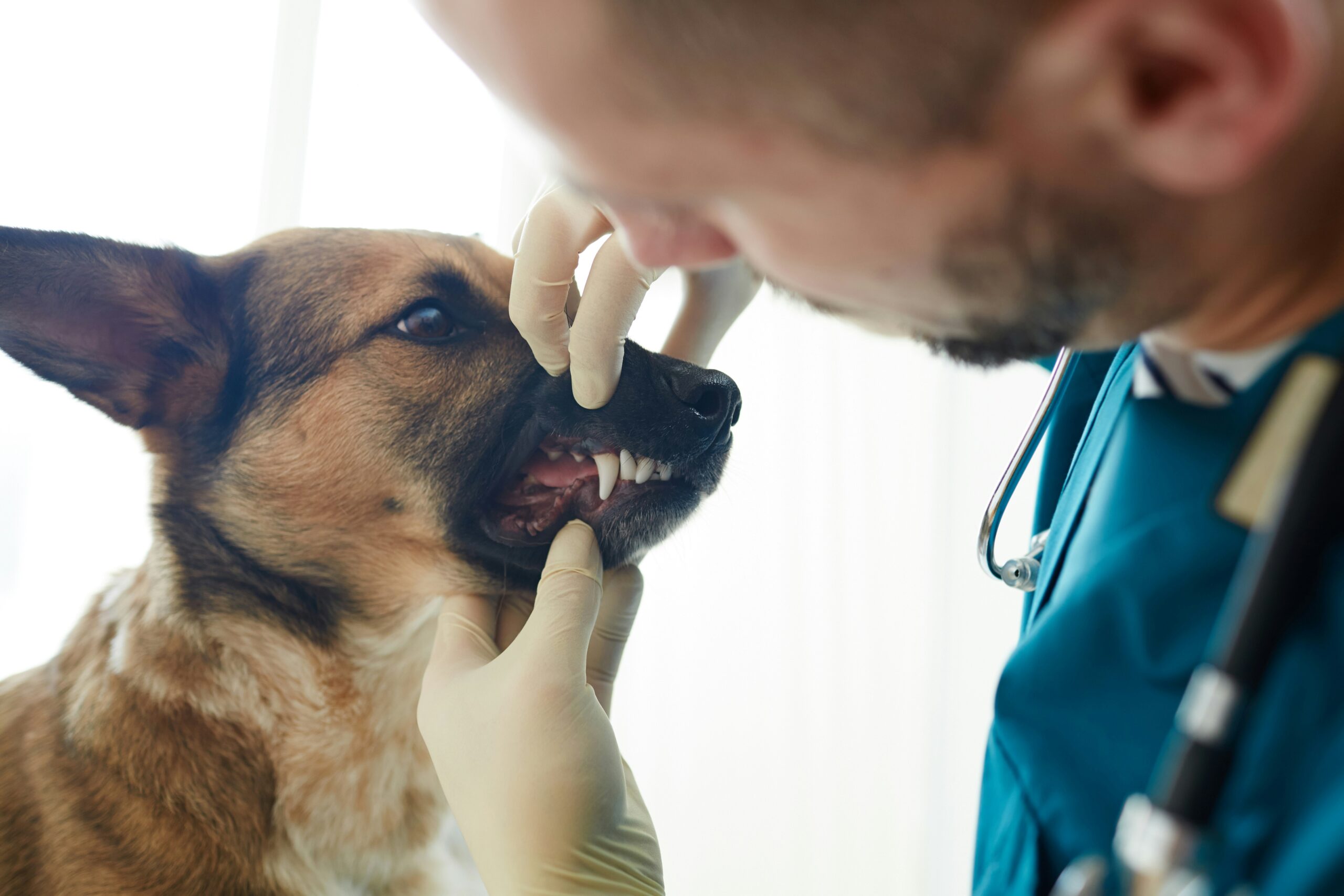
WHEN TO SPEAK TO YOUR VET
If bad breath is persistent or accompanied by:
- Lethargy
- Increased thirst
- Weight changes
- Altered appetite
- Digestive upset
Professional advice is essential.
At Herbie Wilde, we believe dog nutrition should focus on absorption, not just ingredients. Because what your dog can use matters more than what’s listed on the label. If you’re concerned about your dog’s breath, digestion, or long-term gut health, explore our evidence-led approach to plant-based, highly digestible nutrition.
From field to bowl – built for lifelong health.
Share:
More stories from Herbie Wilde
Dog Bad Breath: What It Really Means (And When to Worry)
Bad breath in dogs – clinically known as halitosis – is often dismissed as normal. But persistent changes in smell can be one of the earliest signs that something isn’t quite right. The mouth is closely linked to the digestive and metabolic systems. When breath changes, it can reflect shifts in oral health, gut balance, […]
Read more
Part 2: When Food Heals – Sensitive Tummies & Runny Poos – How to Soothe Your Dog’s Gut Naturally
Part 2 of our series – “When Food Heals: A Vet’s Guide to Common Canine Health Issues & How Plant-Based Nutrition Can Help” – we are focusing on Sensitive tummies & runny poo’s. Find out what to look out for and how to soothe your dog’s gut naturally. With out Vet Dr Margaret Finlay. Many […]
Read more
Hot Dogs in a Heatwave – 5 Ways we keep cool on the Farm
As summer settles in and the days grow longer and warmer, we find ourselves adapting our routines – not just for ourselves, but for our dogs too. Here on the farm, we know just how sensitive our four-legged companions can be to the heat, each with their own unique ways of coping. Beans, our amazing […]
Read more