
Part 2: When Food Heals – Sensitive Tummies & Runny Poos – How to Soothe Your Dog’s Gut Naturally
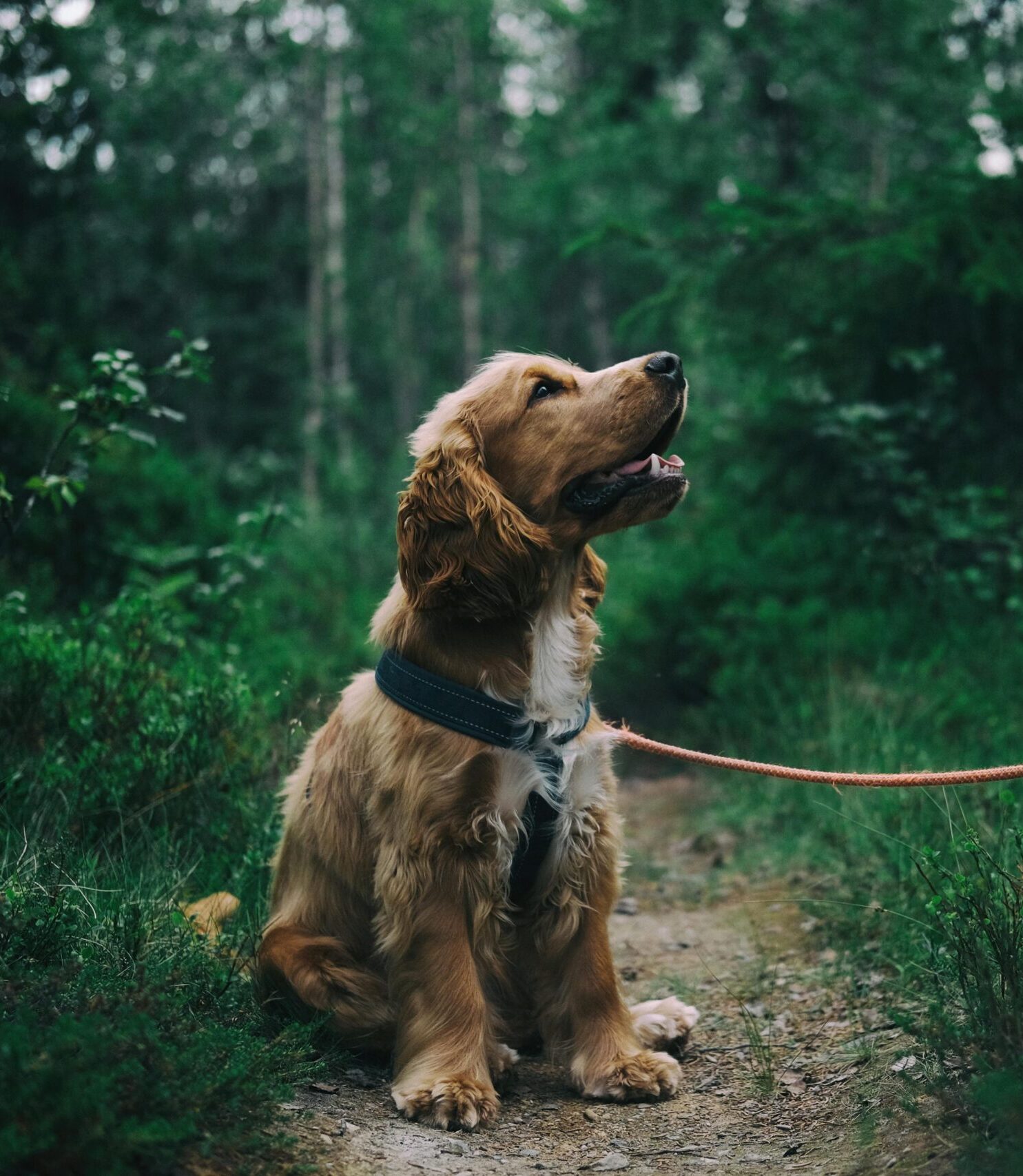
Part 2 of our series – “When Food Heals: A Vet’s Guide to Common Canine Health Issues & How Plant-Based Nutrition Can Help” – we are focusing on Sensitive tummies & runny poo’s. Find out what to look out for and how to soothe your dog’s gut naturally. With out Vet Dr Margaret Finlay.
Many dogs experience ongoing digestive problems – soft stools, bloating, gurgling stomachs, malodorous (bad smelling) gas or the occasional bout of vomiting. Sometimes these issues are brushed off as random or minor, but they’re often signs that something dysfunctional is going on in the gut. For some dogs, it’s a sensitive digestive system. For others, it may be a medical condition like Irritable Bowel Syndrome (IBS).
Unfortunately, digestive health in dogs is still a bit of a grey area. It’s not always clear what’s causing the upset, and symptoms can come and go unpredictably. But one thing we do know: the food we choose, and how we support the gut day to day, can make a huge difference.
WHAT EXACTLY IS IBS IN DOGS?
IBS is a condition where the gut doesn’t work as smoothly as it should – but unlike something like IBD (Inflammatory Bowel Disease), there’s no visible damage to the intestinal lining. That’s what makes IBS difficult to definitively diagnose. It’s not something that shows up clearly on a scan or blood test, but the signs are there if you know what to look for.
It’s a functional issue, meaning the gut is overly reactive or poorly regulated – i.e. isn’t functioning properly. Dogs with IBS often have flare-ups that seem to be triggered by stress, changes in routine, or certain foods. One week they’re fine, the next they’re bloated, nauseous, or producing sloppy stools.
That’s what makes IBS different from general digestive sensitivity, which might just involve mild reactions to rich foods or changes in diet. IBS tends to be chronic, inconsistent, and harder to pin down.
SIGNS YOUR DOG MAY BE STRUGGLING WITH DIGESTION
Dogs can’t really tell us when their stomach hurts – but they often show us in different ways. If your dog seems “off” in a pattern you can’t quite explain, gut health is a good place to start looking.
Some common signs of gastrointestinal dysfunction include:
- Loose or varying stool consistency
- Bouts of diarrhoea that seem to come out of nowhere
- Noisy digestion – bubbling or gurgling from the belly
- Episodes of vomiting, especially first thing in the morning
- Gas or bloating
- Eating slowly, skipping meals, or seeming uncomfortable after food
- Clingy or restless behaviour, especially around feeding time
Even just one or two of these signs, repeated regularly, could suggest that your dog’s gut needs extra support.
WHY A PLANT-BASED DIET MAY BE EASIER ON THE GUT
If you’re dealing with ongoing digestive issues, diet is often the first thing to look at – and sometimes the most powerful. A good-quality plant-based dog food can offer several digestive benefits, especially for dogs with IBS or sensitivity to animal proteins.
Here’s why:
- It’s naturally high in fibre – Fibre helps with stool formation and gut motility, and it also feeds the good bacteria in the gut. That’s key for stabilising digestion over time.
- It skips the usual triggers – Beef, chicken, lamb, and dairy are some of the most common ingredients linked to digestive upset or intolerance. A plant-based recipe avoids all of these.
- It’s anti-inflammatory by nature – Many plant foods contain antioxidants and natural anti-inflammatory compounds that can help calm the gut lining.
- It’s gentle, when well-formulated – Contrary to some beliefs, dogs can digest plant protein very effectively if it’s balanced properly and supported with the right amino acids.
It’s not about being trendy – it’s about reducing the load on the gut and giving your dog food that’s simple, clean, and nourishing.
INGREDIENTS THAT WORK WITH THE BODY, NOT AGAINST IT
When it comes to soothing a sensitive gut, certain ingredients are particularly beneficial. You’ll often see these in gentle or veterinary-recommended diets:
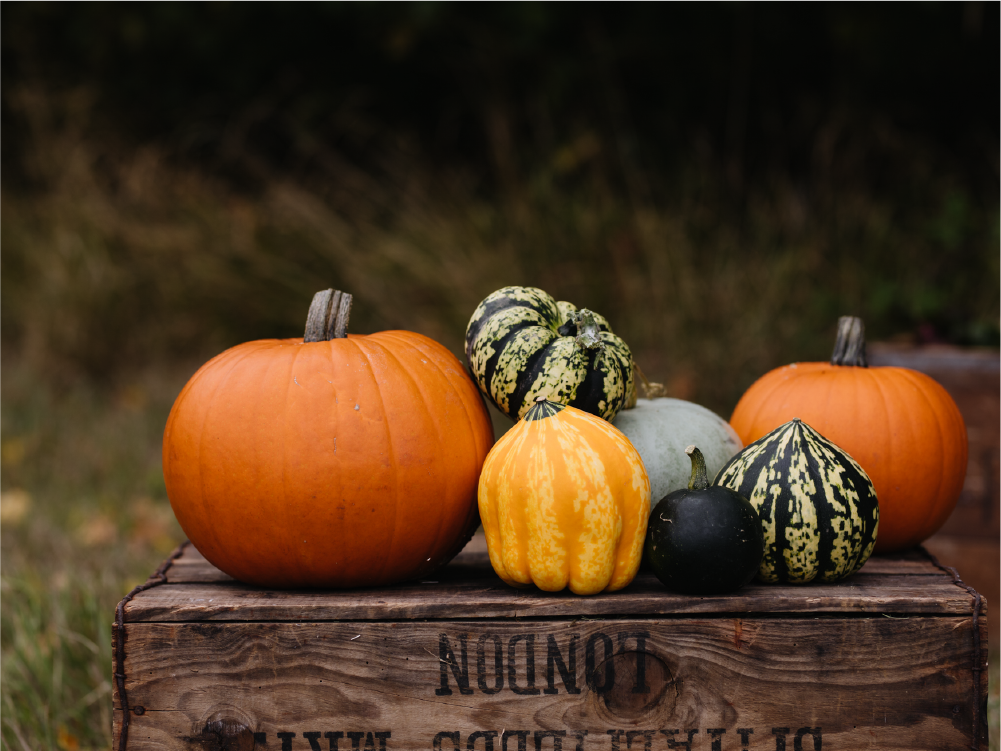
Pumpkin – This is useful for cases of both constipation and diarrhoea, thanks to its soluble fibre. It’s easy to digest and helps bulk up loose stools, or soften firm stools.
Flaxseed – A source of omega-3 fatty acids and fibre, flax can help reduce gut inflammation and support healthy digestion.
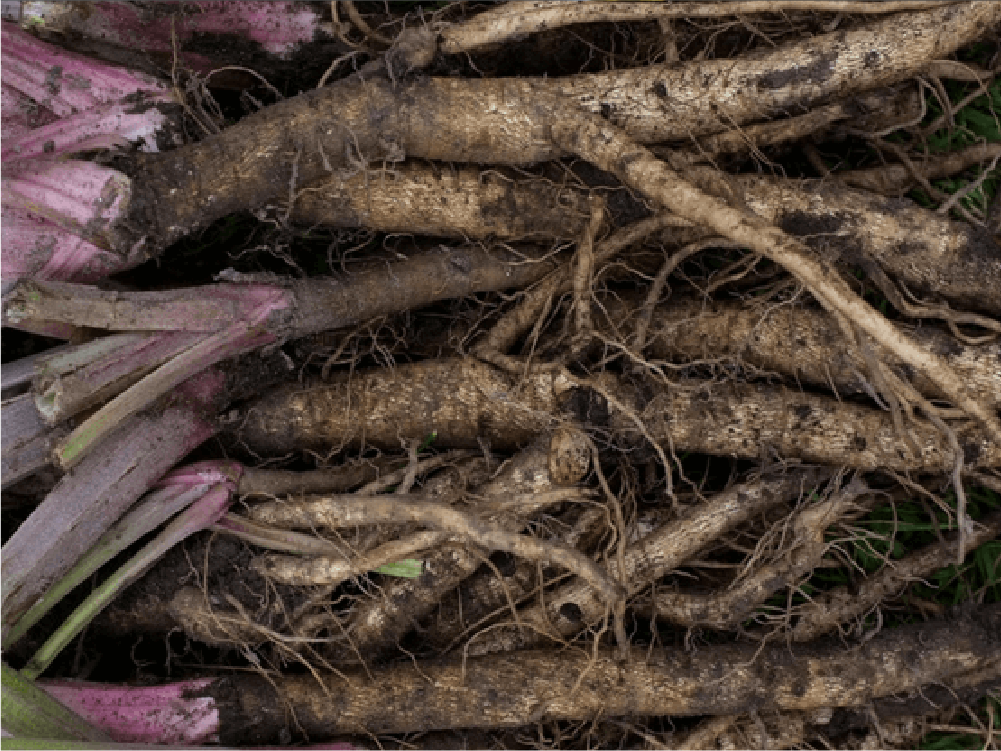
Chicory root (inulin) – A natural prebiotic that encourages beneficial bacteria to thrive, and helps to maintain a healthy microbiome.
Algae-based omega-3s – An excellent plant-derived source of EPA and DHA, which are the most useful forma of omega-3without the allergens or contaminants sometimes found in fish oil.
Alfalfa – Full of trace minerals, chlorophyll, and enzymes that may support digestion and general vitality in small amounts.
These ingredients don’t just “fill out” a food – they serve specific functions to support gut healing and resilience.
FEED SMARTER, NOT JUST BETTER
Diet is only part of the equation. How and when you feed your dog matters too – especially if their gut is easily overwhelmed.
Keep meals regular – Feed at the same times each day. Dogs with gut sensitivity often respond poorly to irregular feeding patterns.
Try splitting meals – Two or three smaller meals a day can be gentler than one large one. It also helps reduce post-meal bloating or reflux.
Limit extras – Treats, scraps, or the occasional piece of toast may seem harmless, but for a dog with IBS, these can cause setbacks.
Consider a slow feeder – These bowls prevent dogs from gulping their food, which can reduce the risk of bloating and improve digestion.
Minimise stress – Stress affects gut health in dogs just as it does in humans. A quiet mealtime environment and a consistent routine can make a big difference.

NATURAL TOOLS FOR CALMING THE GUT
If your dog’s digestion still seems fragile even on a good diet, you might consider some natural add-ons to provide extra support.
Slippery Elm – A gentle herbal remedy that coats and protects the gut lining. Useful during flare-ups, and usually well tolerated.
Probiotics – These can help repopulate the gut with healthy bacteria, especially if your dog has a history of diarrhoea or antibiotic use.
Calming routines – The gut and nervous system are closely connected. A calm environment, predictable schedule, and stress-reduction tools can indirectly support digestion.
These shouldn’t be used as a substitute for a good diet – but they can complement it beautifully when used correctly.
THE BOTTOM LINE: GUT HEALTH NEEDS TIME
If your dog has a sensitive stomach, progress towards a happie gastrointestinal environment may be gradual. This is because there isn’t always a single cause, and healing takes time. But the right combination of diet, routine, and supportive care can bring about long-lasting changes – not just in digestion, but in your dog’s overall wellbeing.
Whether your dog has been diagnosed with IBS or simply has a sensitive gut, a well-designed plant-based diet could be part of the solution. When paired with the right routine and holistic support, it gives the gut a chance to settle, heal, and build resilience.
IN SUMMARY
- IBS in dogs is a functional condition that affects the way the gut behaves, even when no structural disease is present.
- Signs can include soft stools, abdominal noise, bloating, vomiting, and even behaviour changes.
- A plant-based diet, rich in fibre and free from common animal triggers, can provide effective support.
- Supporting digestion also means consistent feeding, reducing stress, and using natural tools like slippery elm and probiotics.
- With time and the right approach, even sensitive dogs can enjoy stable, comfortable digestion.
In Part 3 of this series, we’ll be shifting focus to joint health—how stiffness starts, what nutritional support can help, and how to protect mobility for the long haul.
Share:
More stories from Herbie Wilde
Part 2: When Food Heals – Sensitive Tummies & Runny Poos – How to Soothe Your Dog’s Gut Naturally
Part 2 of our series – “When Food Heals: A Vet’s Guide to Common Canine Health Issues & How Plant-Based Nutrition Can Help” – we are focusing on Sensitive tummies & runny poo’s. Find out what to look out for and how to soothe your dog’s gut naturally. With out Vet Dr Margaret Finlay. Many […]
Read more
Hot Dogs in a Heatwave – 5 Ways we keep cool on the Farm
As summer settles in and the days grow longer and warmer, we find ourselves adapting our routines – not just for ourselves, but for our dogs too. Here on the farm, we know just how sensitive our four-legged companions can be to the heat, each with their own unique ways of coping. Beans, our amazing […]
Read more
Let’s talk sh*t – The surprising and fascinating world of dog poo!
We know, it’s not exactly dinner party chat. But here at Herbie Wilde, we say what every dog parent is thinking: your dog’s poo matters. A lot. Not just for park pick-up etiquette (though no one likes a squish-in-a-trainer situation), but because those daily deposits are one of the clearest signs of what’s going on […]
Read more